Thousands of International Students Lose US Visas as Government Tightens Crackdown
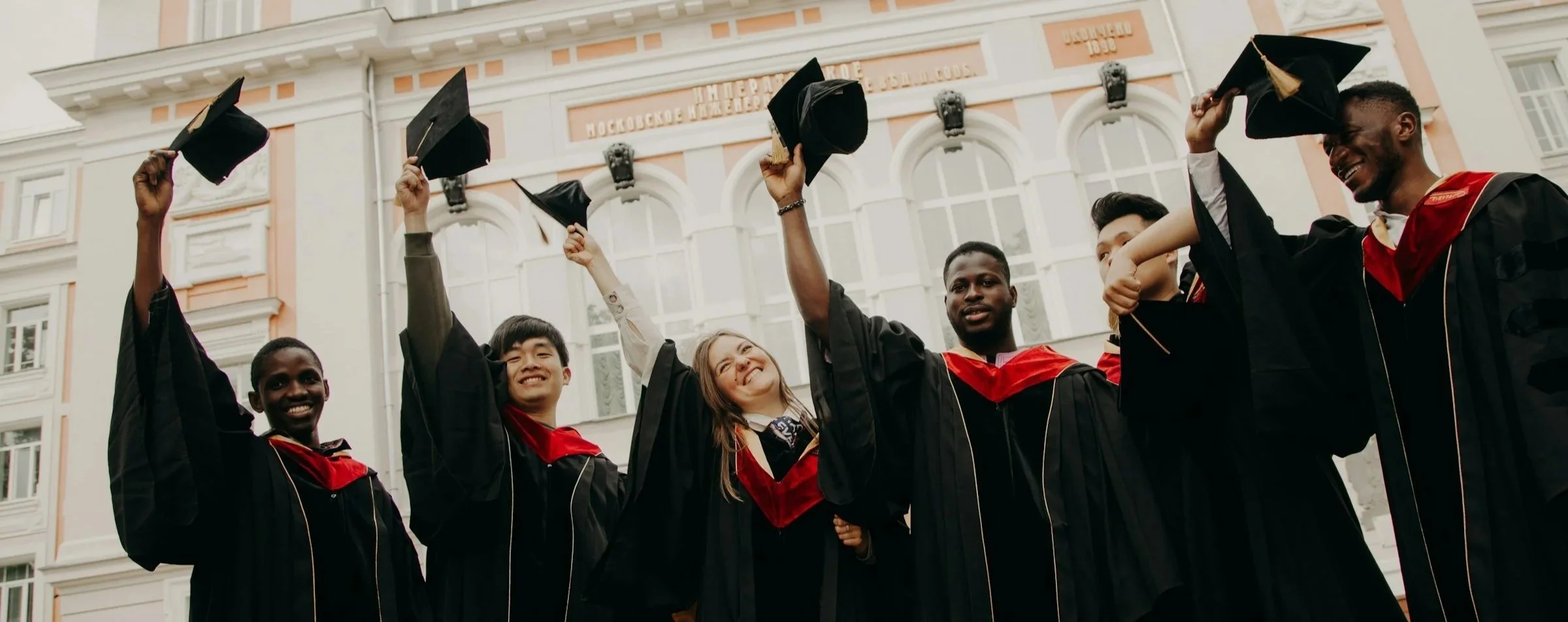
The US State Department has withdrawn more than 6,000 student visas, citing legal violations and overstays by international students. Officials stated that most of the cases involved criminal offences such as assault, drunk driving, and burglary, while a smaller number were linked to activities classified under terrorism-related laws.
The revocations come amid stricter immigration policies under the Trump administration. Authorities did not clearly define what constituted “support for terrorism”, but previous actions have included scrutiny of students involved in pro-Palestinian protests, which the administration has argued may involve antisemitic conduct.
Around 4,000 visas were reportedly cancelled due to violations of US law, while an additional 200 to 300 cases fell under terrorism provisions of the Immigration and Nationality Act. These provisions define terrorist activity broadly, including acts that threaten public safety or violate federal law.
Earlier this year, visa appointment scheduling for international students was temporarily halted. When the process resumed, applicants were required to make their social media accounts publicly accessible for enhanced background checks. Officials said the reviews would look for hostility toward the United States, its institutions, or its founding principles, as well as any links to extremist groups or unlawful antisemitic behaviour.
Secretary of State Marco Rubio told lawmakers that thousands of student visas had already been revoked since the beginning of the year and indicated that further cancellations were likely. The policy has drawn criticism from Democratic lawmakers, who argue that mass revocations undermine due process.
Despite the recent developments, international students remain a major presence in US higher education, with over one million enrolled during the 2023–24 academic year.